Comprehensive Guide to Garden Tillers: Choosing the Right One for Your Needs
Introduction
Garden tillers are essential tools for any gardener. They help prepare soil for planting by breaking it up and aerating it. Various types of tillers are available, including electric, petrol, and battery-powered models. This guide aims to educate you on the different options, their uses, and how to choose the right tiller for your gardening needs.
Summary and Overview
Garden tillers play a crucial role in soil preparation, making gardening more efficient. They help create a loose, airy environment for roots to grow. This article will provide insights into the types of tillers available, key features to consider, and tips for choosing the right one.
Using a tiller offers several advantages over traditional methods, like shoveling or hoeing. With a tiller, you save time and effort. It breaks up compacted soil quickly, allowing for easier planting and better drainage. Ultimately, tillers can enhance your gardening experience and promote healthier plants.
If you’re serious about gardening, you might want to consider the Einhell Electric Ground Hoe. It’s lightweight and perfect for small to medium gardens, making it a fantastic choice for home gardeners looking to keep things simple yet effective.

Understanding Garden Tillers
What is a Garden Tiller?

A garden tiller is a powerful tool designed to break up and aerate soil. Its primary function is to prepare the ground for planting by turning over the soil, which improves its structure and nutrient content. This process is vital for achieving a thriving garden.
Garden tillers differ from cultivators. While tillers break up hard or compacted soil, cultivators work on already loose soil. Cultivators mix in compost or fertilizer to enrich the soil, but they lack the power to penetrate tough ground. Therefore, understanding these differences is key to selecting the right tool for your gardening tasks.
If you’re curious about the various types of tillers available, keep reading!
Types of Garden Tillers
When it comes to garden tillers, you have three main options: electric, petrol, and battery-powered. Each type has its strengths, making them suitable for different gardening tasks.
Electric tillers are perfect for small to medium gardens. They are lightweight and easy to use, making them ideal for home gardeners. Electric models like the Einhell Electric Ground Hoe are popular and can handle most soil types without the hassle of fuel. They make up about 30% of the market, appealing to those who prefer convenience and quieter operation.
On the other hand, petrol tillers are heavy-duty machines designed for larger areas. They offer more power, making them suitable for tough and compacted soils. Models like the HECHT Powerful Petrol Engine Hoe showcase their capabilities, with impressive horsepower. Petrol tillers hold about 50% of the market, as many gardeners appreciate their strength and versatility.
Battery-powered tillers are gaining popularity due to their portability. They combine the convenience of electric tillers with the freedom of movement typically associated with petrol models. With advancements in battery technology, these tillers can perform well in gardens of various sizes. They currently represent around 20% of the market share, appealing to eco-conscious gardeners.
Explore the pros and cons of each type to decide which garden tiller suits your needs best.
Features to Consider When Buying a Garden Tiller
Power and Performance
When choosing a garden tiller, power is key. Horsepower and motor power significantly impact performance. Generally, more power allows for easier tilling of tough soils.
For small gardens, a tiller with around 1-2 horsepower is often sufficient. If you’re working with larger areas or compacted soil, look for models with higher horsepower. Typically, petrol tillers feature more robust motors than electric ones, making them ideal for heavy-duty tasks.
Consider the type of soil you have. Sandy soil requires less power, while clay or rocky soil demands more. Matching the tiller’s power to your garden size and soil type will ensure efficient performance.
If you’re looking for a powerful electric option, consider the Sun Joe TJ603E 12-Amp 16-Inch Electric Tiller. It’s a robust choice that makes tilling feel like a walk in the park!
Working Width and Depth
Working width and depth are crucial when selecting a garden tiller. Working width refers to how wide the tiller’s tines can dig. A broader width allows you to cover more ground in less time. For small gardens, a width of 30 to 45 cm is often sufficient. In contrast, larger plots can benefit from widths of 60 cm or more.
Working depth indicates how deep the tines can penetrate the soil. A deeper tilling depth helps break up compacted layers, improving aeration and drainage. Generally, a depth of 20 cm is ideal for most gardening tasks. However, for tougher soil or deeper root systems, consider tillers offering depths of 30 cm or more.
Choosing the right dimensions enhances your gardening efficiency. It ensures that your tilling aligns with your specific planting needs.
Check out our recommended dimensions based on your garden size.
Ergonomics and Safety Features
Ergonomics in garden tillers is vital for comfort and efficiency. An ergonomic tiller features handles designed to reduce strain on your hands and arms. This design helps you work longer with less fatigue. Look for adjustable handles, which allow you to find the most comfortable height.
Safety features are equally important. Many modern tillers include an auto shut-off switch that immediately stops the machine if you lose grip. This prevents accidents and ensures your safety while operating the equipment. Other safety features to consider include blade guards and an easy-access emergency stop button.
Prioritize your safety with these features. And while you’re at it, consider investing in a good pair of gardening gloves to protect your hands while you work!
Tips for Using a Garden Tiller
Preparing Your Garden
Getting your garden ready for tilling is essential. Start by clearing the area of any debris. This includes rocks, weeds, and old plant material. A clean workspace allows your tiller to work efficiently and prevents damage to its blades.
Next, test the soil moisture. Too much water can make soil muddy, while too little can make it hard and compact. Ideally, the soil should feel crumbly and slightly moist. If it’s too dry, consider watering it a day before tilling. This preparation sets the stage for a successful tilling process.
Once the area is cleared and the soil is ready, you’re set to work your tiller effectively. Preparing your garden effectively leads to the best results.

Proper Tilling Techniques
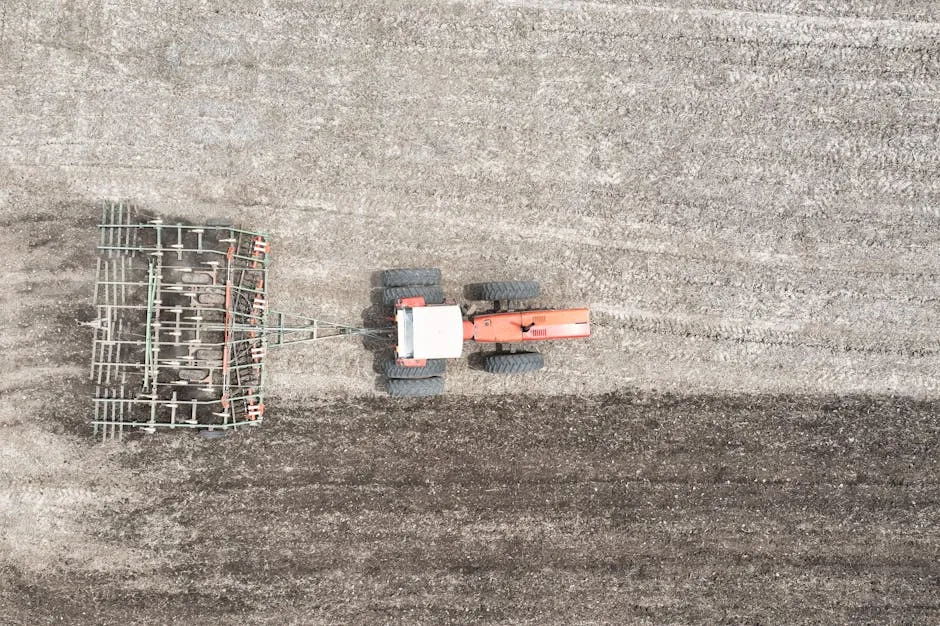
Once your garden is prepped, it’s time to till! Start by establishing your tilling pattern. A good approach is to work in straight lines. This method ensures even coverage and prevents overlapping, which can compact the soil unnecessarily.
As for depth, aim for about 6 to 8 inches. This depth allows you to break up compacted layers and aerate the soil effectively. If your soil is particularly tough, you might want to start with a shallower depth and gradually work deeper.
Remember to keep your tiller moving at a steady pace. Too fast can lead to uneven tilling, while too slow can cause the machine to bog down. With these proper tilling techniques, you’ll enhance soil health and boost your garden’s potential. Learn the best practices for tilling.
And don’t forget to accessorize your gardening journey! A garden fork is a handy tool for turning compost and breaking up compacted soil.
Maintenance and Care for Your Tiller
Routine Maintenance Tips
Keeping your garden tiller in great shape is essential for its longevity. Regular inspections can make a big difference. Start by checking the tines for wear and tear. If they’re dull or damaged, it’s time to replace them.
Cleaning is also vital. After each use, make sure to remove any soil and debris from the tines and engine area. A soft brush or cloth works well for this. Don’t forget to inspect the air filter too. A clean air filter promotes efficient engine function.
Oiling the moving parts is crucial for smooth operation. Regular lubrication reduces friction and wear. It’s a simple step that can extend the life of your tiller.
By following these routine maintenance practices, you can keep your tiller in top condition with these tips. And while you’re at it, consider investing in a garden hose reel to keep your garden tidy!

Troubleshooting Common Issues
Even the best garden tillers can face challenges. Here are a few common problems and solutions to consider. If your tiller won’t start, first check the fuel level. If that’s fine, inspect the spark plug for damage or dirt.
Another frequent issue is the tiller not tilling effectively. This can happen if the tines are clogged or worn out. Clean them thoroughly and replace if necessary.
If you notice unusual noises or vibrations, it could indicate a loose or damaged part. Tighten any loose screws or bolts, and inspect the tines for bends.
When in doubt, don’t hesitate to seek professional help. Signs like persistent issues or smoke coming from the engine signal that it’s time to consult an expert. Identify and resolve issues quickly to keep your tiller running smoothly.

Please let us know what you think about our content by leaving a comment down below!
Thank you for reading till here 🙂 And if you want to take your gardening to the next level, consider a great gardening book to inspire your next planting adventure!
All images from Pexels