


The Ultimate Guide to Growing the Lilikoi Passion Fruit Plant: Tips, Varieties, and Care
Introduction
The lilikoi, or passion fruit, is a tropical delight that can transform your garden into a lush paradise! With its vibrant flowers and tangy, aromatic fruit, this vigorous vine adds a touch of exotic flair to any landscape. Originating from South America and making its way to Hawaiian shores, the lilikoi has captured the hearts (and taste buds) of many. This comprehensive guide will cover everything you need to know about cultivating your very own lilikoi plant, from selecting the best variety to care and maintenance tips.
Did you know that lilikoi isn’t just a pretty face? This vine is a workhorse, producing delicious fruit that can elevate your culinary creations. From smoothies to desserts, lilikoi brings a tropical twist to your kitchen. Plus, those stunning flowers? They’re a feast for the eyes and a magnet for pollinators!
Buckle up, because we’re about to jump into the delicious world of lilikoi! Whether you’re a gardening novice or a seasoned pro, growing lilikoi can be an incredibly rewarding experience. This guide will equip you with the knowledge to nurture this incredible plant, ensuring you enjoy both its beauty and bounty. Get ready to unleash your inner gardener and embrace the joys of growing lilikoi!

Summary
In this article, we will explore the fascinating world of the lilikoi passion fruit plant. We’ll begin by discussing the origins and significance of lilikoi in various cultures, highlighting its tropical roots and importance in Hawaiian cuisine. Next, we will examine the different varieties of lilikoi, including the popular purple and yellow forms, along with their unique characteristics and growing conditions.
Practical tips on how to plant, grow, and care for lilikoi will be provided. This includes essential aspects like light, water, soil, and fertilization. You’ll also learn about common pests and diseases that can affect your plant, along with effective management strategies. Additionally, we will share harvesting techniques to ensure you enjoy the sweetest lilikoi fruits.
Finally, we’ll address some frequently asked questions about lilikoi, so you can confidently cultivate this enchanting plant in your own garden. Get ready to unleash your inner gardener and discover the joys of growing lilikoi!
What You Need to Know About the Lilikoi Passion Fruit Plant
Overview of the Lilikoi
Lilikoi, or passion fruit, is a tropical gem with roots in South America. This delightful plant thrives in warm climates, particularly in Hawaii, where it gained popularity after arriving from Australia in 1923. The name “lilikoi” originates from Maui, where it was first cultivated. In Hawaiian culture, lilikoi is more than just a fruit; it embodies the spirit of the islands, often featured in local dishes and beverages. Its tangy-sweet flavor captures the essence of tropical paradise, making it a beloved ingredient in many culinary creations.

Physical Characteristics
The lilikoi plant is a vigorous vine that can climb up to 15 feet tall. Its lush, green foliage adds a vibrant touch to any garden. The standout feature? Those stunning, intricate flowers! Lilikoi flowers boast a unique structure with delicate petals and a striking corona of filaments that resemble a wild hairstyle. These blooms not only attract pollinators but also create a visual spectacle. Once pollinated, the plant produces round fruits, typically yellow or purple, which contain juicy pulp filled with edible seeds. This exotic beauty is sure to turn any garden into a tropical oasis!
To ensure your lilikoi thrives, consider investing in a quality garden trellis for climbing plants. A sturdy trellis supports your lilikoi as it reaches for the sky, ensuring optimal growth and maximizing your harvest. Plus, it adds a charming touch to your garden!

Varieties of Lilikoi
Purple Passion Fruit (Passiflora edulis F. edulis)
The purple passion fruit thrives in cooler climates, making it an ideal choice for those residing at higher elevations. With its delightful aroma and sweetness, this variety is a true showstopper. Imagine sipping a chilled lilikoi smoothie on a breezy afternoon, the sweet scent wafting through the air! Purple passion fruits have fewer yields compared to their yellow counterparts but make up for it with their luscious flavor. Their distinctive flowers bloom at dawn and close by afternoon, adding an enchanting visual to your garden. If you’re looking to impress your guests with a unique fruit experience, this is the variety to choose!

Yellow Passion Fruit (Passiflora edulis F. flavicarpa)
If you’re dreaming of warmer, tropical vibes, the yellow passion fruit is your best friend. This variety flourishes in warmer climates, particularly below 2,500 feet. With its vibrant yellow skin, it’s the star of many markets and grocery stores. The yellow passion fruit is often a crowd favorite due to its tangy flavor and juiciness. While it may not have the same sweetness as the purple variety, it’s certainly a delightful treat! Plus, it’s more commonly grown, meaning you’ll find it easily at local markets. If you’re planting lilikoi for the first time, the yellow passion fruit is an excellent starting point.
Other Varieties
While purple and yellow passion fruits reign supreme, there are lesser-known varieties that deserve a mention. The Jamaican lilikoi, scientifically known as Passiflora laurifolia, offers a unique fruit known as the water lemon, celebrated for its refreshing taste. Another interesting variety is the red passion fruit, which adds a splash of color to your garden. Each type brings its own charm and flavor, so why not experiment with a few? With so many varieties available, you can create a vibrant lilikoi garden that’s as visually stunning as it is delicious!

Planting Your Lilikoi
When to Plant
Timing is everything when it comes to planting lilikoi. Generally, spring is the best season to get started. In warmer climates, you can kick off planting as early as March. If you’re in a cooler region, wait until the last frost has passed—usually around late April to early May. Remember, patience pays off! You want to make sure the temperature is consistently warm to promote healthy growth.
Where to Plant
Choosing the right location is crucial for your lilikoi plant’s success. Look for a spot that receives full sun for at least six hours daily. This sun-loving vine thrives on bright light! Additionally, consider the space available for growth. Lilikoi can climb and spread, so providing a trellis or sturdy support structure is essential. Make sure the area is well-draining to prevent root rot. If you live in a cooler climate, think about planting near a south-facing wall to maximize warmth. With the right location, your lilikoi will flourish and reward you with beautiful blooms and delicious fruit!

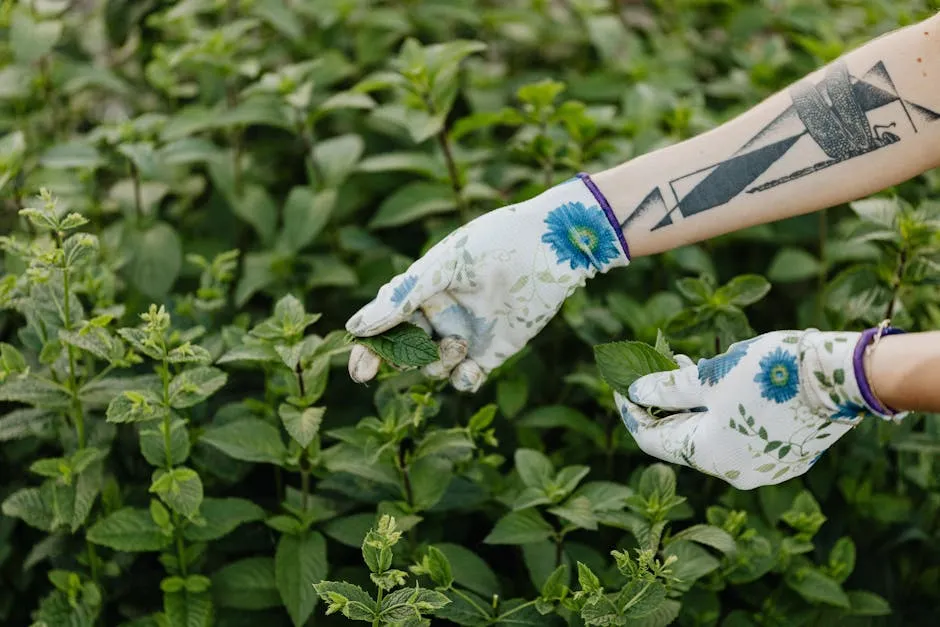
Don’t forget to protect your hands while gardening! A good pair of gardening gloves can save you from scratches and dirt, allowing you to focus on the joy of planting without worrying about your precious hands!
Growing Conditions and Care
Light Requirements
Lilikoi thrives in full sun. Aim for at least six hours of direct sunlight daily. Why is this crucial? Sunlight fuels the plant’s growth and enhances flowering. Insufficient light can lead to fewer blooms and fruits. Think of it as lilikoi’s morning coffee—essential for a productive day! If you’re in a particularly hot climate, some afternoon shade can prevent the plant from getting scorched. Just remember, this tropical vine loves the sun!
Watering and Soil Needs
Maintaining moisture levels is key for lilikoi. The soil should be consistently moist but never soggy. Overwatering can lead to root rot, which is a party crasher in your garden! Aim to water deeply, allowing the top inch of soil to dry between sessions.
As for soil, well-draining is the name of the game. A mix rich in organic matter works wonders. The ideal pH level is between 5.5 and 6.5. Consider combining compost with sandy loam to create a nutrient-packed environment. Just like us, lilikoi prefers a cozy, breathable home!

Temperature and Humidity
Lilikoi is a tropical plant, so it enjoys warm weather. The ideal temperature range is between 70°F and 85°F. If temperatures dip below 50°F, your plant may struggle to thrive. Protect it from frost; consider bringing it indoors or covering it.
Humidity is another vital factor. Lilikoi loves humid conditions, typically around 60-80%. If you live in a dry area, consider misting the leaves or placing a humidifier for indoor plants nearby. Think of it as providing a spa day for your plant—relaxing and rejuvenating!

Fertilization Tips
Feeding your lilikoi is crucial for a bountiful harvest. Use a balanced fertilizer, preferably one high in potassium, to promote fruiting. Apply every 6-8 weeks during the growing season. If you notice lush foliage but fewer flowers, you might be overdoing nitrogen.
Organic options like fish emulsion or compost tea can also be effective. Just be cautious—too much love can lead to leafy growth with little fruit. Keep your focus on that sweet, tangy lilikoi!
Pollination Insights
Pollination is the unsung hero of lilikoi production. The plant relies on pollinators, especially carpenter bees, for fruit set. To attract these buzzing buddies, plant bee-friendly flowers nearby.
If you notice a lack of fruit, it might be time for a little intervention. Hand pollination can help! Gently transfer pollen from the male flower to the female using a small brush or cotton swab. It’s like Cupid for your lilikoi! With a little effort, you’ll encourage fruitful romance in your garden.
By providing the right growing conditions and care, you’ll set the stage for a thriving lilikoi plant that rewards you with luscious, tropical fruit!

Common Pests and Diseases
Identifying Common Issues
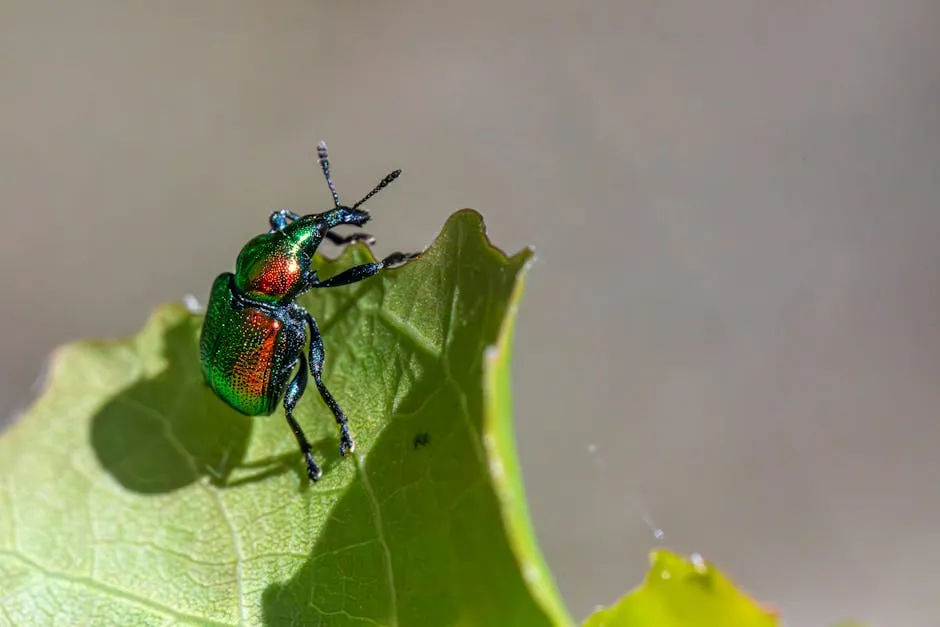
Growing a lilikoi passion fruit plant? Be prepared for a few uninvited guests! Caterpillars are often the first pests to crash your gardening party. These sneaky little munchers love to feast on lilikoi leaves, leaving behind holes that can make your plant look like Swiss cheese. If you spot them, act fast!
Now, let’s talk about diseases. One of the most notorious is fusarium wilt. This fungal disease wreaks havoc on the plant, causing wilting and yellowing leaves. If your lilikoi plant suddenly looks droopy, and the leaves are turning a sad shade of yellow, fusarium may be the culprit. This disease thrives in warm, humid conditions—perfect for tropical plants!
Another issue to watch for is the woodiness virus, which can stunt growth and affect fruit quality. You’ll notice some telltale signs: distorted leaves and reduced flowering. Remember, an ounce of prevention is worth a pound of cure!
Prevention and Management
Keeping your lilikoi plant healthy is all about proactive care. First, create a welcoming environment for beneficial insects. Ladybugs and lacewings love to munch on pesky aphids and caterpillars.
Regular inspections are essential! Check your plants for any signs of pests or diseases. If you spot trouble, remove affected leaves and apply organic insecticides when necessary. Organic neem oil insecticide is a fantastic option that helps manage pests without harming beneficial insects.
Proper watering practices also play a crucial role. Overwatering can lead to root rot, making your plant more susceptible to diseases. Water your lilikoi deeply but allow the top inch of soil to dry out between sessions. This balance keeps your plant happy and thriving!
Fertilization is key too. Use a balanced fertilizer to promote healthy growth but avoid high nitrogen levels, which can lead to lush foliage with fewer flowers. Focus on potassium-rich fertilizers to encourage fruit production.
Lastly, keep your garden tidy. Remove fallen leaves and debris where pests can hide. A clean garden is a happy garden, and your lilikoi will thank you with bountiful fruit!

Harvesting Your Lilikoi
When to Harvest
Knowing when to harvest your lilikoi is crucial for flavor. Look for fruits that are fully colored and feel heavy in your hand. Yellow varieties will deepen in color, while purple ones darken as they ripen. The fruit should also have a slight wrinkling—this is a sign of sweetness!
The best time to pick lilikoi is in the morning after the dew has dried. This way, you’ll avoid unnecessary moisture, which can lead to spoilage. Keep an eye on your fruits; they can ripen quickly!

How to Harvest
When harvesting, handle your lilikoi gently to avoid bruising. Use garden shears or scissors to cut the fruit from the vine, ensuring you leave a small portion of the stem intact. This helps maintain freshness and quality.
After harvesting, let your lilikoi sit at room temperature for a day or two. This allows the fruits to develop their full flavor. Once they’re ready, enjoy them fresh, or store them in the refrigerator for longer shelf life.
With proper care and attention, you’ll enjoy the sweet rewards of your hard work. Happy harvesting!

Conclusion
Embracing the cultivation of a lilikoi passion fruit plant is a rewarding endeavor that pays off with flavorful fruit and stunning visual appeal. By understanding the plant’s needs—from selecting the right variety to proper care and harvesting techniques—you’ll not only enhance your gardening skills but also enjoy the delicious rewards of your labor.
Whether you’re a seasoned gardener or just starting, the lilikoi plant is a delightful addition to your green space. With its vibrant flowers and sweet fruit, it’s sure to bring joy to your garden and kitchen alike. So roll up your sleeves, grab your gardening tools, and get ready to enjoy the fruits of your labor—literally!
Speaking of tools, consider investing in a gardening tool set to make your gardening tasks easier and more enjoyable. A well-equipped gardener is a happy gardener!
FAQs
Why is my lilikoi not fruiting?
If your lilikoi isn’t producing fruit, check for pollination issues or over-fertilization. Too much nitrogen can lead to lush leaves instead of fruit.
Do I need multiple lilikoi plants for pollination?
For purple and red varieties, one plant is sufficient. Yellow varieties may require another for optimal pollination.
What are the best ways to propagate lilikoi?
Propagation can be done through seeds or cuttings. Seeds generally take longer, while cuttings can root quickly with proper care.
How can I store lilikoi fruit?
Store whole lilikoi unrefrigerated for a few weeks, or refrigerate for longer shelf life. They also freeze well, making it easy to enjoy later!
Please let us know what you think about our content by leaving a comment down below!
Thank you for reading till here 🙂
If you want to learn about effective management strategies for pests and diseases in your garden, check out this article on natural remedies for common plant diseases.
Before you go, don’t forget to check out our top choice for compost bins to turn your kitchen scraps into garden gold! Composting is a fantastic way to enrich your soil and reduce waste.
All images from Pexels