
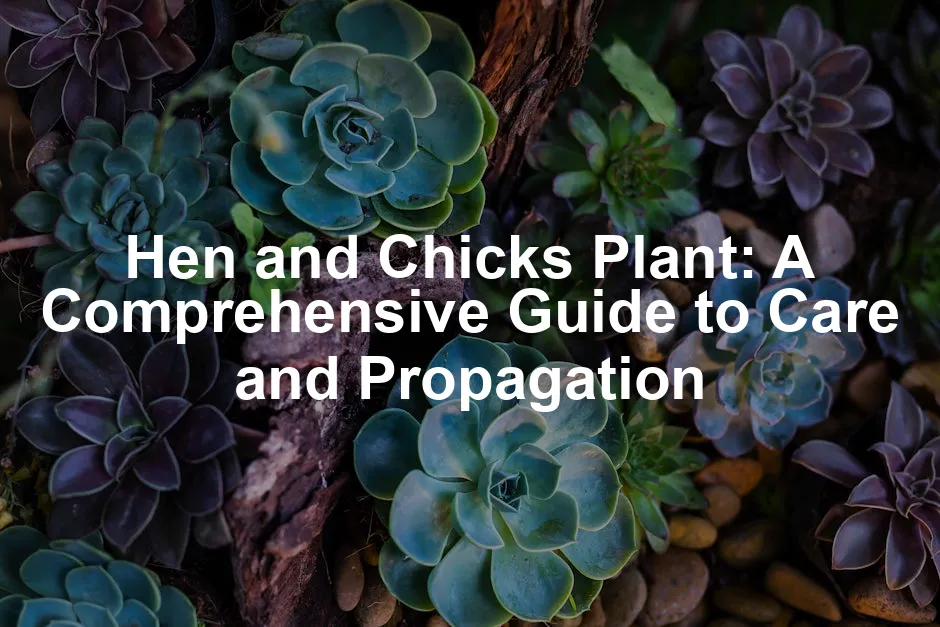
Hen and Chicks Plant: A Comprehensive Guide to Care and Propagation
Introduction
The Hens and Chicks plant, known scientifically as Sempervivum, is a beloved succulent. Its charming rosette shapes and easy care make it a favorite among gardeners. This resilient plant thrives in various environments, making it perfect for both beginners and seasoned green thumbs.
If you’re considering adding some greenery to your space, you might want to start with a Hens and Chicks Succulent Plant. Their low maintenance and ability to thrive in various conditions make them the perfect addition to any garden or indoor plant collection.
Summary and Overview

Hens and Chicks are fascinating succulents that form striking rosettes. The central rosette, or “hen,” produces smaller offshoots called “chicks.” This unique growth habit creates a beautiful, mat-like display. Originating from Europe, these plants boast numerous varieties, each with distinct colors and shapes. Their adaptability allows them to flourish in diverse conditions, whether in containers, rock gardens, or traditional flower beds.
These succulents are drought-tolerant, making them ideal for low-maintenance gardening. They thrive in full sun, showcasing vibrant foliage colors. The care requirements are minimal—just provide well-draining soil and the right amount of sunlight. With their hardiness, Hens and Chicks can survive various climates, enchanting gardeners with their beauty and resilience.

To ensure your Hens and Chicks thrive, consider investing in a quality Cactus and Succulent Potting Mix. This will provide the ideal drainage and nutrients that these charming plants crave.
Care for Hens and Chicks
Light Requirements
Light is crucial for the health of Hens and Chicks. These plants thrive in full sun, needing at least six hours of direct sunlight each day. Inadequate light can lead to pale foliage and stretched growth. If you’re growing indoors, place them near a south-facing window to maximize light exposure.
In hotter climates, some shade during peak sun hours can prevent leaf burn. However, too much shade can diminish their vibrant colors. Always check your plant’s response to light and adjust its location as needed for optimal growth.
For those who want to make sure their indoor plants get enough light, consider using an Indoor Plant Light. This can help recreate the perfect sunlight conditions for your leafy friends, especially during those darker months.
Soil Preferences
Hens and Chicks thrive in well-draining soil. A cactus or succulent soil mix is ideal, as it allows excess moisture to escape. You can also create your own mix by combining potting soil with sand or perlite. This combination improves drainage and prevents root rot.
If you’re planting in containers, ensure your pots have drainage holes. Water can accumulate in containers without holes, leading to soggy roots. Remember, these plants prefer dry conditions, so good drainage is essential for their health.

For your planting needs, don’t forget to grab some Perlite for Potting Mix. It’s a fantastic additive that helps to aerate the soil and improve drainage, ensuring your plants stay healthy and happy.
Watering Guidelines
Create a simple watering schedule for your Hens and Chicks. Generally, aim to water every one to two weeks during the growing season. Always check the soil moisture first. If the top inch of soil feels dry, it’s time to water.
In cooler months, reduce watering frequency. Overwatering can lead to root rot, while underwatering may cause the leaves to shrivel. Look for signs of distress, like mushy leaves or browning tips, to adjust your care routine.

To make watering easier, consider using a Succulent Watering Can. Its precise spout helps you water without drowning your plants, providing just the right amount of moisture they crave.
Fertilization and Feeding
Hens and Chicks don’t need much fertilization. They thrive in nutrient-poor soil, making them low-maintenance. If you choose to fertilize, use a slow-release formula with low nitrogen.
Fertilize once in spring to support growth. Be cautious not to over-fertilize; too many nutrients can lead to leggy plants and poor health. Keep it simple, and your Hens and Chicks will flourish!
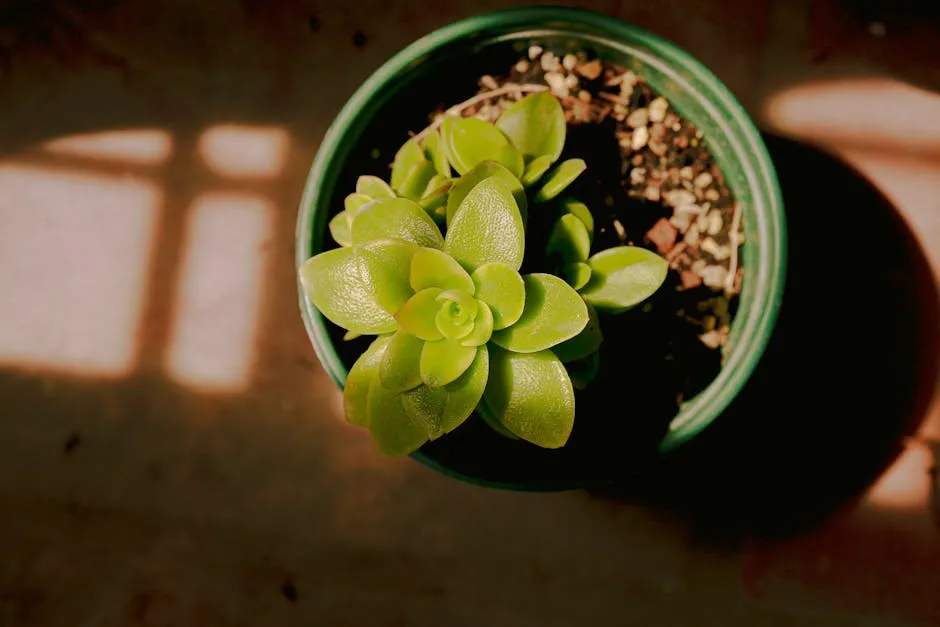
For an extra boost, consider using Succulent Fertilizer to ensure your plants get the nutrients they need to thrive, especially during the growing season.
Temperature and Humidity
Hens and Chicks thrive best in temperatures between 65°F and 75°F. They can tolerate colder conditions down to 40°F but should be protected from frost. In extreme heat, providing some shade can help prevent leaf burn. These plants are quite adaptable to various climates, showcasing their resilience.
Humidity levels do play a role in their health. Hens and Chicks prefer low humidity environments, making them ideal for dry climates. Excess humidity can lead to issues like rot. Keeping them in well-ventilated areas helps maintain optimal humidity levels for robust growth.

Propagation Techniques
Propagation from Offsets
Propagating Hens and Chicks from offsets, or “chicks,” is straightforward and rewarding. Start by identifying the small rosettes growing around the main plant. Gently separate each chick, ensuring you keep as many roots intact as possible. This step is crucial for successful replanting.
Next, prepare small pots filled with well-draining soil. A cactus or succulent mix works best, as it allows excess moisture to escape. Plant the offsets in shallow holes and lightly water them. Position the pots in a bright location but avoid direct sunlight initially. With proper care, your new plants will flourish, creating a beautiful display.
Seed Propagation

Seed propagation for Hens and Chicks requires a bit more patience. Gather seeds from mature plants after flowering. It’s best to do this in late summer to early fall when seeds are ripe. Prepare a planting medium with a fine texture, ideally a mix of cactus soil and perlite.
Scatter the seeds on the surface of the soil, then mist lightly to keep the medium moist. Place the pot in a warm area with indirect sunlight. Germination typically takes a few weeks. Once seedlings emerge, provide care by ensuring they receive enough light and moisture. Watch them grow into healthy plants, ready to thrive in your garden!
Common Pests and Diseases
Identifying Pests
Hens and Chicks can face pest troubles, mainly from mealybugs and aphids. Mealybugs appear as tiny, cotton-like spots clustered on leaves. They cause yellowing and can stunt growth. Aphids, on the other hand, are small, green or black insects that curl and distort leaves.
For treatment, consider using Organic Insecticidal Soap Spray or Neem Oil for Plants. Both options are effective and safe for your plants. To prevent infestations, keep your plants healthy by ensuring proper watering and air circulation. Regularly inspect your plants for any signs of pests to catch issues early.

Diseases and Prevention
Hens and Chicks are prone to diseases like root rot and powdery mildew. Root rot occurs due to overwatering and poorly draining soil. Always use a well-draining mix to avoid this issue.
Powdery mildew manifests as a white, powdery coating on leaves. This fungal disease thrives in humid, stagnant air. To prevent it, ensure good air circulation around your plants. Proper watering practices also help; water at the base of the plant rather than overhead to keep foliage dry. Keeping these tips in mind will help maintain the health of your Hens and Chicks.
To learn more about how to manage common pests and diseases in your garden, check out this article on common pests in Japanese friendship gardens and how to control them.
Blooming and Lifespan

Hens and Chicks exhibit a unique blooming cycle. They are monocarpic, meaning they flower only once in their lifetime. After blooming, the central rosette, or “hen,” undergoes what is known as a “Death Bloom.” This means the parent plant dies but not without leaving behind seeds for new growth.
The significance of this process lies in its ability to propagate the plant. While the main plant dies, the “chicks” continue to thrive, ensuring the survival of the species. So, while the Death Bloom may seem sad, it’s just part of a beautiful life cycle that contributes to more Hens and Chicks in your garden.

Recommended Varieties
Hens and Chicks come in a delightful array of varieties, each with unique traits. Sempervivum tectorum is a classic choice, showcasing vibrant green rosettes that can blush red in sunlight. Sempervivum arachnoideum, known as Cobweb Houseleek, features delicate white hairs on its leaves, giving it a distinctive look.
For those in colder climates, consider Sempervivum calcareum. This hardy plant thrives in lower temperatures and has striking blue-green leaves. If you want a pop of color, ‘Gold Nugget’ offers bright yellow and green foliage that adds cheer to any garden.
When selecting your varieties, consider your local climate and sunlight conditions. Some cultivars prefer full sun, while others can tolerate partial shade. This flexibility allows you to mix and match for a stunning display in any setting.
For those who love to keep track of their garden’s progress, a Gardening Journal can be a handy tool to jot down your observations, care routines, and even future planting plans!
Conclusion
Caring for Hens and Chicks is a fulfilling experience. These succulents require minimal attention, making them ideal for new gardeners. Remember to provide ample sunlight and well-draining soil for thriving plants. Propagation is simple too, with offsets and seeds offering ways to expand your collection.
Whether you’re just starting or have years of experience, Hens and Chicks bring beauty and resilience to your garden. Their charm and low maintenance make them a favorite for all gardening enthusiasts. So, why not give them a try? Your garden will thank you!
FAQs
Do Hens and Chicks come back every year?
Yes, Hens and Chicks are perennial plants. They return each year if you provide well-drained soil and proper care.
What happens to the plant after flowering?
After flowering, the central rosette experiences a ‘Death Bloom.’ It will die but produce seeds and offsets to continue growing.
Do Hens and Chicks need sun or shade?
These plants thrive in full sun, needing at least six hours of light daily. Some shade can help in extremely hot conditions.
Is Hens and Chicks edible?
Yes, Hens and Chicks are considered edible plants. Their leaves have a slightly sour taste and can be used in salads or as garnishes.
How do I know if my Hens and Chicks are overwatered?
Signs of overwatering include mushy leaves and browning tips. If you notice these symptoms, adjust your watering schedule to promote better plant health.
For those interested in expanding their gardening knowledge, consider picking up a Plant Care Book for Beginners. It can provide insights and tips to keep your plants thriving!
Please let us know what you think about our content by leaving a comment down below!
Thank you for reading till here 🙂
All images from Pexels